|
Counselling and Clinical Hypnosis
Supportive counselling and providing advice on matters of physical and psychological health are part and parcel of most medical visits. As pain physicians we often advise patients on general health measures, provide advice on nutrition, supplements, and ways of improving sleep as part of our holistic approach to pain-reduction and optimal health. Unfortunately, unlike other provinces, BC does not cover extended counselling, psychotherapy, or hypnosis by family physicians, so if an extended appointment is made specifically for counselling then the appointment is charged-for privately. Clinical hypnosis is the use of hypnosis by a trained professional in order to assist a client or patient to make the changes they wish to make in order to relieve physical pain or emotional distress, change habits or behaviours, or improve skills or performance (generative change) or to obtain new perspectives. It can be combined with various other types of counselling such as Cognitive Behavioural Therapy or energy psychology techniques. It can also be used as a type of procedural anaesthesia to reduce discomfort during dental or medical treatments or childbirth. In our office Clinical Hypnosis is used by Dr. David Bowler to reduce discomfort during procedures, to manage or eliminate chronic pain that has not responded to conventional measures, or to treat phobias or anxiety. We are often asked whether we can help patients with fibromyalgia. While there is no quick cure for most people with fibromyalgia there are many ways in which the condition can be helped. Before getting into management of this very troublesome condition in a subsequent blog entry it may be helpful to first look at an excellent summary of the current scientific understanding of what is going on at a biochemical, physiological and neurological level in people with fibromyalgia. Her is an excellent article from the Mayo Clinic. It is quite technical but don't worry; I shall try to simplify this in another post soon.
Fibromyalgia: A Unifying Neuroendocrinologic Model for Understanding Its Pathophysiology Peter T. Dorsher, MS, MD From the Department of Physical Medicine and Rehabilitation, Mayo Clinic, Jacksonville, Florida Address reprint requests to Peter T. Dorsher, MD, Department of Physical Medicine and Rehabilitation, Mayo Clinic, 4500 San Pablo Road, Jacksonville, FL 32224. E-mail: [email protected]. Phone 904-953-2823 Fax 904-953-0276 Text word count: 1682 (2956 with references, tables, and legends) Abstract word count: 121 Introduction word count: 246 Discussion word count: 273 No. of tables: 3 No. of figures/parts: 3 ©2008 Mayo Foundation for Medical Education and Research Nature Precedings : hdl:10101/npre.2008.2595.1 : Posted 3 Dec 2008 Abstract Fibromyalgia is believed to affect at least 2% of the population. Despite advances in the scientific understanding of the derangements of central and peripheral pain processing mechanisms in fibromyalgia, no current models of its pathophysiology account for the other clinical conditions associated with it such as fatigue, migraine headache, irritable bowel syndrome, and sleep cycle abnormalities. A neuroendocrinologic model of fibromyalgia is presented that accommodates both its known central and peripheral pain mechanisms as well as the myriad of hormonal, visceral, and psychological symptoms associated with that disorder. This model also provides a unifying pathophysiologic basis of fibromyalgia and chronic muscle pain, and offers the potential for developing new avenues of research and treatment for these enigmatic, frequently disabling medical conditions. Nature Precedings : hdl:10101/npre.2008.2595.1 : Posted 3 Dec 2008 Introduction In 1852, Virchow first described “muscular rheumatism” 1 and five decades later Gowers described persons with widespread pain symptoms he termed “fibrositis” 2. The fibromyalgia and myofascial pain histories have overlapped, with Kelly 3 in 1945 discussing the concept of distant referred-pain produced by “fibrositis” nodules. The historical overlap of these conditions is not surprising, since both the myofascial pain and fibromyalgia syndromes are pain conditions characterized by tender soft tissue (especially muscle) sites that may generate referred-pain distant to those sites. There are significant clinical differences between the fibromyalgia and myofascial pain syndromes, however. Fibromyalgia afflicts females seven times more frequently than males, while myofascial pain syndrome afflicts genders equally 4. Myofascial pain syndrome often affects only one body region, though widespread myofascial pain has been described 5. In contrast, the diagnosis of fibromyalgia requires the presence of widespread soft tissue tenderness in multiple body regions 6. Both conditions may be associated with sleep disturbances, but fibromyalgia is also associated with other clinical conditions (Table 1) including irritable bowel syndrome, interstitial cystitis, and migraine headaches 7. These conditions are 4-25 times more common in individuals diagnosed with fibromyalgia 7. Widespread body pain affects approximately 3.6% of adults in the United States 8, with fibromyalgia diagnosed in 5 million (2%) of adults 4. In terms of rheumatologic disorders, only osteoarthritis and gout 9 have higher prevalence than fibromyalgia; yet fibromyalgia is associated with the highest disability rate (up to 26.5%) of all rheumatologic disorders 10, 11. A Neuroendocrinologic Model of Fibromyalgia and Chronic Muscle Pain The sympathetic autonomic nervous system (SANS) subserves the body’s “fight or flight” responses to dangerous or stressful stimuli, while the parasympathetic Nature Precedings : hdl:10101/npre.2008.2595.1 : Posted 3 Dec 2008 autonomic nervous system (PANS) subserves its vegetative, “rest and digest” functions (S. Bakewell, http://www.nda.ox.ac.uk/wfsa/html/u05/u05_010.htm). Most body structures, including muscle, have dual sympathetic and parasympathetic innervation. As shown in Table 2, SANS and PANS responses have opposite physiologic effects, with the hypothalamus controlling the balance of those responses (D. Molavi, http://thalamus.wustl.edu/course/hypoANS.html). As an example relevant to musculoskeletal pain, SANS activation increases resting skeletal muscle tone while PANS activation reduces it 12. The clinical conditions associated with fibromyalgia (Table 1) are postulated to result from imbalance or instability of the autonomic nervous system (Table 3). SANS abnormalities have been described for many of those conditions, including migraines 13, irritable bowel syndrome 14, interstitial cystitis 15, endometriosis 16, idiopathic urethritis 17, chronic prostatitis 18, and temporomandibular joint pain 19. Thus, abnormal regulation of SANS/PANS outflow balance by the hypothalamus could result in these clinical conditions seen in fibromyalgia patients. The circadian rhythms of sleep 20, appetite regulation 21, mood 22, and temperature 23 also are regulated at the hypothalamic level; and the abnormalities of those physiologic functions often described by fibromyalgia patients are also consistent with hypothalamic dysfunction. Though the insular cortex is believed to be mainly a viscerosensory structure, the right insular cortex is believed to provide sympathetic outflow to the hypothalamus and the left insular cortex its parasympathetic outflow 24. The orbitofrontal and medial prefrontal cortex areas of the limbic system have direct anatomic input to the Nature Precedings : hdl:10101/npre.2008.2595.1 : Posted 3 Dec 2008 hypothalamus, allowing emotions to directly influence autonomic balance there 25. The amygdala serves to integrate behavioral and autonomic responses from the somatosensory cortex and limbic system structures including the medial prefrontal cortex, orbitofrontal cortex, cingulate gyrus, hippocampus, anterior thalamic nuclei, and medial thalamic nuclei 26. The amygdala is thought to have inhibitory influence on the hypothalamus to attenuate SANS output 27. These thalamic and cortical influences on the hypothalamus are demonstrated in Figure 1. Hypothalamic SANS output arises from its posterolateral nuclei that ultimately innervate the interomediolateral nuclei of the spinal cord, while its PANS output arises from its anteromedial nuclei that ultimately course to peripheral structures via the vagus nerve (D. Molavi, http://thalamus.wustl.edu/course/hypoANS.html). The hypothalamus also regulates the release of cortisol and norepinephrine through the hypothalamicpituitary- adrenal (HPA) axis, which provides systemic SANS activation with slower onset and longer duration (D. Molavi, http://thalamus.wustl.edu/course/hypoANS.html). Further, hypothalamic output regulates brainstem structures (rostroventral medulla, periaqueductal gray, and locus ceruleus) whose descending pathways to the dorsal horn of the spinal cord modulate pain transduction in nociceptive neurons there, as shown in Figure 1 28. The systemic norepinephrine release via the HPA axis, accentuated SANS tone through hypothalamic output to the interomediolateral cells of the spinal cord, and reduced descending pain inhibition at the spinal cord level are then postulated in this neuroendocrinologic model to produce sensitization of primary nociceptors in fibromyalgia patients. Clinical research supporting this includes documentation that Nature Precedings : hdl:10101/npre.2008.2595.1 : Posted 3 Dec 2008 fibromyalgia patients have elevated plasma catecholamine levels, which are associated with hyperalgesia 29,30. Approximately 8% of spinal nerve fibers are postganglionic sympathetic fibers 31, which also invest the arteries that accompany spinal nerves and their branches to the extremities 32 (H. Gray, http://www.bartleby.com/107/214.html). Neurogenic inflammation is a physiologic phenomenon 33 in which efferent outflow from the spinal cord (dorsal root reflexes) causes nociceptive C-fibers to release substance P (sP), calcitonin gene related peptide (cGRP) and somatostatin from their terminal axons. These substances then cause local vasculature (plasma), platelets, and macrophages to release bradykinin, histamine, and serotonin, which serve to activate those nociceptive neurons 34, as illustrated in Figure 2. Thus, a local positive feedback loop is produced as neurogenic inflammation ultimately produces release of substances from the terminal axons that activate the primary nociceptors. Efferent or systemic SANS activation can further sensitize these nociceptive neurons (Figures 1 and 2). The abnormally high metabolic activity seen in the thalamus, amygdala, hippocampus, cingulate gyrus, and other limbic system structures in fibromyalgia patients 35 is consistent with abnormal central nervous system (CNS) autonomic efferent activity contributing to nociceptor sensitization and neurogenic inflammation peripherally. Psychological stress alone can cause degranulation of mast cells (many of which are estrogen receptor positive) to initiate neurogenic inflammation 36,37, which may help explain the predominance of fibromyalgia in females. Neurogenic inflammation causes local edema (fibromyalgia nodules) and tenderness without histological presence of inflammatory cells 38. Continuing activation of dorsal root reflexes and propriospinal Nature Precedings : hdl:10101/npre.2008.2595.1 : Posted 3 Dec 2008 pathways produces ascending and descending sensitization of nociceptors in adjacent spinal levels, providing a mechanism for the spread of tender regions to increasingly larger areas of the body 34. This is consistent with Shah’s findings 39 that trigger points have markedly increased concentrations of inflammatory mediators, but also that muscle sites distant from the trigger points in those subjects have lesser elevations of these inflammatory mediators (higher than normal), suggesting systemic nervous system sensitization as predicted by this neuroendocrinologic model. Efferent output of these sensitized primary nociceptors also leads to activation of wide dynamic range neurons in the deeper lamina of the spinal cord, which have wider cutaneous receptive fields and visceral sensory input. Primary nociceptors relay information through the lateral spinothalamic tract to the lateral thalamus then on to the somatosensory cortex to localize painful stimuli, while wide dynamic range neurons send information through the paleospinothalamic tract to the anterior and medial thalamus then on to limbic system structures that subserve the emotional and behavioral reactions to painful stimuli 34. These ascending pathways are largely anatomically independent of each other. As shown in Figure 1, abnormal activation of the neospinothalamic and paleospinothalamic pathways then forms the final link in a positive feedback loop to produce excessive activation of the thalamus, neocortex, and limbic system structures that regulate autonomic balance centrally. Abnormal activation of hypothalamic and limbic system structures provides an anatomic substrate that could account for the excessive behavioral reactions to noxious stimuli seen in chronic pain patients 40,41. This may represent the central mechanism of the lowering Nature Precedings : hdl:10101/npre.2008.2595.1 : Posted 3 Dec 2008 of pain perception threshold (“thermostat”) in chronic pain patients, which in its extreme progresses from hyperpathia to allodynia. There is also pharmacologic evidence that supports this neurogenic model of fibromyalgia. Drugs that demonstrate the most efficacy for treating fibromyalgia are in the anti-convulsant (e.g. pregabalin) and anti-depressant (e.g. duloxitene) classes, which act on the central and peripheral nervous systems. Fibromyalgia symptoms are relatively resistant to opioids and anti-inflammatory drugs, which are efficacious for treating musculoskeletal pain conditions. Discussion Functional MRI and neurophysiologic studies have demonstrated objective evidence of abnormal central nervous system pain sensitization in patients with fibromyalgia, even though its cause remains enigmatic. The recent work of Shah 39 demonstrates physiologic evidence of similar central nervous system sensitization in myofascial pain syndrome. Though both fibromyalgia and myofascial pain syndrome share the phenomenon of tender muscular regions, only fibromyalgia is associated with other conditions such as chronic headaches, irritable bowel syndrome, interstitial cystitis, and temporomandibular joint pain syndrome. Clinical and experimental evidence of the role of neurogenic inflammation and autonomic nervous system dysfunction in those disorders continues to accumulate. This neuroendocrinologic model of fibromyalgia provides an anatomically and physiologically based conceptualization of the central and peripheral physiologic Nature Precedings : hdl:10101/npre.2008.2595.1 : Posted 3 Dec 2008 mechanisms that can produce the widespread muscular tenderness and visceral dysfunction seen clinically in fibromyalgia patients. The model integrates the known clinical and experimental findings of abnormal hypothalamic- pituitary- adrenal axis activation and abnormal and/or unstable autonomic nervous system balance that are associated with widespread pain and visceral dysfunction in fibromyalgia patients (Figure 3). The clinical syndrome of fibromyalgia, then, can be initiated by excessive noxious input at any point along this loop by a wide variety of causes. Excessive psychological trauma or stress is postulated to initiate this positive feedback loop centrally at the level of the paleocortex (limbic system). Visceral injury or recurrent insult (myocardial infarct, “leaky gut syndrome” after antibiotic administration, recurrent prostatitis) then initiates this positive feedback loop through severe or recurrent abnormal visceral nociceptor activation. Similarly, severe and or recurrent musculoskeletal or peripheral nerve injuries can activate this positive feedback loop through A-delta and Cfiber activation with neurogenic inflammation. Conclusion The model of fibromyalgia presented herein as dysfunction of the autonomic nervous system with sensitization of central nervous system nociception can unify the multiple clinical findings noted in that disorder including cognitive impairment, depression, sleep disturbance, widespread pain, and organ dysfunction such as irritable bowel syndrome and interstitial cystitis. This model offers a novel view of the Nature Precedings : hdl:10101/npre.2008.2595.1 : Posted 3 Dec 2008 pathogenesis of this enigmatic syndrome that causes substantial morbidity and not infrequently disability, and may lead to new avenues of treatment. Nature Precedings : hdl:10101/npre.2008.2595.1 : Posted 3 Dec 2008 References 1) Virchow, R. Über parenchymatöse entzündung. Arch. Pathol. Anat. 4, 261- 279 (1852). 2) Gowers, W.R. Lumbago: its lessons and analogues. Br. Med. J. 1, 117-121 (1904). 3) Kelly, M. The nature of fibrositis: 1. the myalgic lesion and its secondary effects: a reflex theory. Ann. Rheum. Dis. 5, 1-7 (1945). 4) Wolfe, F., Ross, K., Anderson, J., Russell, I.J. & Hebert, L. The prevalence and characteristics of fibromyalgia in the general population. Arthritis Rheum. 38, 19-28 (1995). 5) Bergman, S., Herrstrom, P., Jacobsson, L.T. & Petersson, I.F. Chronic widespread pain: a three year follow up of pain distribution and risk factors. J. Rheumatol. 29, 818-825 (2002). 6) Wolfe, F. et al. The American College of Rheumatology 1990 criteria for the classification of fibromyalgia: report of the multicenter committee. Arthritis Rheum. 133, 160-172 (1990). 7) Clauw, D. Fibromyalgia: more than just a musculoskeletal disease. Am. Fam. Physician. 52, 843-851 (1995). 8) Hardt, J., Jacobsen, C., Goldberg, J., Nickel, R. & Buchwald, D. Prevalence of chronic pain in a representative sample in the United States. Pain Med. 10.1111/j.1526-4637.2008.00425.x [doi] (2008). Nature Precedings : hdl:10101/npre.2008.2595.1 : Posted 3 Dec 2008 9) Lawrence, R.C. et al. Estimates of the prevalence of arthritis and selected musculoskeletal disorders in the United States. Arthritis Rheum. 41, 778-799 (1998). 10) Hoffman, D.L. & Dukes, E.M. The health status burden of people with fibromyalgia: a review of studies that assessed health status with the SF-36 or the SF-12. Int. J. Clin. Pract. 62, 115-126 (2007). 11) Wolfe, F. et al. Work and disability status of persons with fibromyalgia. J. Rheumatol. 24, 1171-8 (1997). 12) Roatta, S., Windhorst, U., Ljubisavljevic, M., Johansson, H. & Passatore, M. Sympathetic modulation of muscle spindle afferent sensitivity to stretch in rabbit jaw closing muscles. J. Physiol. 540, 237–248 (2002). 13) Peroutka, S.J. Migraine: a chronic sympathetic nervous system disorder. Headache. 44, 53-64 (2004). 14) Mazur, M. et al. Dysfunction of the autonomic nervous system activity is responsible for gastric myoelectric disturbances in the irritable bowel syndrome patients. J. Physiol. Pharmacol. 58 Suppl. 3:131-139 (2007). 15) Pacak, K. Increased plasma norepinephrine concentration in cats with interstitial cystitis. J. Urol. 165, 2051-2054 (2001). 16) Possover, M., Rheim, K. & Chiantera, V. The “neurologic hypothesis”: a new concept in the pathogenesis of the endometriosis? Gynecol. Surg. 2, 107-111 (2005). 17) Husmann, D.A. Use of sympathetic alpha antagonists in the management of pediatric urologic disorders. Curr. Opin. Urol. 16, 277-282 (2006). Nature Precedings : hdl:10101/npre.2008.2595.1 : Posted 3 Dec 2008 18) Yilmaz, U., Liu, Y., Berger, R. & Yang, C. Autonomic nervous system changes in men with chronic pelvic pain syndrome. J. Urol. 177, 2170 – 2174 (2003). 19) Appelgren, A. Neuropeptides in temporomandibular joint arthritis. Dissertations from Karolinska Institutet. kl. 9.00. Föreläsningssal 1, plan 4, Odontologiska Institutionen, Huddinge (1999). 20) Saper, C.B., Scammell, T.E. & Lu, J. Hypothalamic regulation of sleep and circadian rhythms. Nature. 437, 1257-1263 (2005). 21) Neary, N.M., Goldstone, A.P., & Bloom, S.R. Appetite regulation: from the gut to the hypothalamus. Clin. Endocrinol. 60, 153-160 (2004). 22) Müller, M.B., Uhr, M., Holsboer, F. & Keck, M.E. Hypothalamic-pituitaryadrenocortical system and mood disorders: highlights from mutant mice. Neuroendocrinology. 79, 1-12 (2004). 23) Hammel, H.T., Jackson, D.C., Stolwijk, J.A., Hardy, J.D. & Stromme, S.B. Temperature regulation by hypothalamic proportional control with an adjustable set point. J. Appl. Physiol. 18, 1146-1154 (1963). 24) Oppenheimer, S.M., Gelb, A., Girvin, J.P. & Hachinski, V.C. Cardiovascular effects of human insular cortex stimulation. Neurology. 42, 1727–32 (1992). 25) Cechetto, D.R. & Saper, C.B. in Central Regulation of Autonomic Functions. (eds. Loewy, A.D. & Spyer, K.M.) 208–223 (Oxford University Press, Oxford, UK, 1990). 26) Cechetto, D.R. & Gelb, A.W. The amygdala and cardiovascular control. J. Neurosurg. Anesthesiology. 13, 285-287 (2001). Nature Precedings : hdl:10101/npre.2008.2595.1 : Posted 3 Dec 2008 27) Palkovits, M. Interconnections between the neuroendocrine hypothalamus and the central autonomic system. Front. Neuroendocrinol. 20, 270-295 (1999). 28) Benarroch, E.E. Descending monoaminergic pain modulation: bidirectional control and clinical relevance. Neurology. 71, 217-21 (2008). 29) Khasar, S.G., McCarter, G. & Levine, J.D. Epinephrine produces a beta adrenergic receptor-mediated mechanical hyperalgesia and in vitro sensitization of rat nociceptors. J. Neurophysiol. 81, 1104-1112 (1999). 30) Torpy, D.J., et al. Responses of the sympathetic nervous system and the hypothalamic pituitary adrenal axis to interleukin-6: a pilot study in fibromyalgia. Arthritis Rheum. 43, 872-880 (2000). 31) McCorry, L.K. Physiology of the autonomic nervous system. Am. J. Pharmacol. Educ. 71, Article 78 (2007). 32) Birch, D.J., Turmaine, M., Boulos, P.B. & Burnstock, G. Sympathetic innervation of human mesenteric artery and vein. J. Vasc. Res. 45, 323-332 (2008). 33) Lin, Q., Wu, J. & Willis, W.D. Dorsal root reflexes and cutaneous neurogenic inflammation after intradermal injection of capsaicin in rats. J. Neurophysiol. 82, 2602–2611 (1999). 34) Fields, H.L. Pain. 1-354 (McGraw Hill, San Francisco, 1987). 35)Williams, D.A. & Gracely, R.H.. Biology and therapy of fibromyalgia: functional magnetic resonance imaging findings in fibromyalgia. Arthritis Res. Ther. 8, 224 (2006). Nature Precedings : hdl:10101/npre.2008.2595.1 : Posted 3 Dec 2008 36) Alexcaos, N. et al. Neurotensin mediates rat bladder mast cell degranulation triggered by acute psychological stress. Urology. 53, 1035-40 (1999). 37) Eutamene, H., Theodorou, V., Fioramonti, J. & Bueno, L. Acute stress modulates the histamine content of mast cells in the gastrointestinal tract through interleukin-1 and corticotropin-releasing factor release in rats. J. Physiol. 553, 959-966 (2003). 38) Huguenin, L.K. Myofascial trigger points: the current evidence. Phys. Ther. Sports. 5, 2-12 (2004). 39) Shah, J.P. et al. Biochemicals associated with pain and inflammation are elevated in sites near to and remote from active myofascial trigger points. Arch. Phys. Med. Rehabil. 89, 16-23 (2008). 40) Bradley, R.A. et al. Abnormal regional cerebral blood flow in the caudate nucleus among fibromyalgia patients and non-patients is associated with insidious symptom onset. J Musculoskel. Pain. 7, 285-292 (1999). 41) Gracely, R.H., Petzke, F., Wolf, J.M. & Clauw, D.J. Functional magnetic resonance imaging evidence of augmented pain processing in fibromyalgia. Arthritis Rheum. 46, 1333-1343 (2002). 42) Lambert, G.W. et al. Internal jugular venous spillover of noradrenaline and metabolites and their association with sympathetic nervous activity. Acta. Physiol. Scand. 163, 155-163 (1998). 43) Quintner J. & Cohen M. Referred pain of peripheral nerve origin: an alternative to the myofascial pain construct. Clin. J. Pain. 10, 243–251 (1994). Nature Precedings : hdl:10101/npre.2008.2595.1 : Posted 3 Dec 2008 Table 1. Clinical Conditions Associated with Fibromyalgia Clinical Condition % fibromyalgia patients % general populaton Chronic headache 50% 5% Dysmenorrhea 60% 15% Endometriosis 15% 2% Interstitial cystitis 25% <1% Irritable bladder/ urethra 15% <1% Irritable bowel syndrome 60% 10% Mitral valve prolapse 75% 15% Multiple chemical sensitivities 40% 5% Restless legs syndrome 30% 2% TMJ syndrome 25% 5% Nature Precedings : hdl:10101/npre.2008.2595.1 : Posted 3 Dec 2008 Table 2. Autonomic Nervous System and Its Clinical Effects SANS Effects PANS Effects “fight or flight” “rest and digest” ↑ alertness/vigilance ↓ alertness/vigilance ↑ heart rate and contractility ↓ heart rate and contractility ↑ breathing rate with bronchodilitation ↓ breathing rate with bronchoconstriction ↑ cardiac and skeletal muscle blood flow ↓ cardiac and skeletal muscle blood flow ↓ gut blood flow ↑ gut blood flow ↓ cutaneous blood flow ↑ cutaneous blood flow ↑ blood sugar ↓ blood sugar ↑ temperature ↓ temperature ↓ gut contractility ↑ gut contractility ↓ bladder contractility ↑ bladder contractility ↓salivation ↑ salivation ↓lacrimation ↑ lacrimation ↓digestion ↑ digestion SANS= sympathetic autonomic nervous system PANS= parasympathetic autonomic nervous system Nature Precedings : hdl:10101/npre.2008.2595.1 : Posted 3 Dec 2008 Table 3. Autonomic Nervous System Imbalance in Fibromyalgia (relative degree of tonus) Clinical Condition SANS PANS Migraine ↑ initial phase ↑later phase IBS, diarrhea predominant ↓ ↑ IBS, constipation predominant ↑ ↓ Interstitial Cystitis ↑ ↑ Raynaud’s-like phenomenon ↑ ↓ Endometriosis ↑ ↓ Aseptic Prostatitis ↑ ↓ Idiopathic Urethritis ↑ ↓ Skeletal Muscle Tone ↑ - IBS= irritable bowel syndrome SANS= sympathetic autonomic nervous system PANS= parasympathetic autonomic nervous system Nature Precedings : hdl:10101/npre.2008.2595.1 : Posted 3 Dec 2008 Legends Figure 1. Detailed Neurophysiology of Positive Feedback Loop in Fibromyalgia Figure 2. Peripheral Sensitization Mechanisms Figure 3. Simplified Positive Feedback Loop in Fibromyalgia Nature Precedings : hdl:10101/npre.2008.2595.1 : Posted 3 Dec 2008 Nature Precedings : hdl:10101/npre.2008.2595.1 : Posted 3 Dec 2008 Nature Precedings : hdl:10101/npre.2008.2595.1 : Posted 3 Dec 2008 Nature Precedings : hdl:10101/npre.2008.2595.1 : Posted 3 Dec 2008 Pain is usually generated in some peripheral part of the body (muscles, joints, organs skin etc) and travels to the brain via the spinal cord or via the cranial nerves. The pain signals can be modified (increased or decreased) at various different points along the pathway to the brain. This communication goes both ways- there are pathways from the brain to the peripheries which are meant to tone down the "volume" of pain if the brain assesses the pain as non-threatening or less important than something else one is concentrating on. For example, if you hurt yourself while trying to score a touchdown in the middle of a football match you may not notice the pain as much as if you felt the same pain while feeling anxious about something.
There are a number of chronically-painful conditions which are frustrating for patients and often difficult for doctors to treat. Pain is perceived in the brain. In some of these it is as though the "pain dial" has been turned to maximum. The BC Women's Hosptial has a useful article on a number of those overlapping painful conditions in which the central nervous system has become excessively sensitized to pain which can be found here. New research conducted by Dr Helene Bertrand et al out of North Vancouver confirms that topical mannitol cream reduces the pain felt by application of capsaicin. Sensory nerves involved in neuropathic pain contain receptors (TRPV1) which are sensitive to capsaicin. It is already known from research by Denis Burdakov et al that dextrose indirectly affects some nerve receptors via a potassium ion channel, though this effect is best at a neutral pH (which is why we now buffer the D5W we use in perineural and trigger point injections). It is interesting to note that mannitol also appears to do so, though the mechanism has not been confirmed. This supports earlier clinical observations that subcutaneous injections of 5% dextrose or 5% mannitol around constricted or inflamed sensory nerves relieves neurogenic pain. Dr Bertrand has also noted that topical mannitol cream is helpful in relieving neuropathic pain in many individuals.
Topical Mannitol Reduces Capsaicin-Induced Pain: Results of a Pilot-Level, Double-Blind, Randomized Controlled Trial.5/12/2015 PM&RPubMedID: 25978942Bertrand H, Kyriazis M, Reeves KD, Lyftogt J, Rabago D. Topical Mannitol Reduces Capsaicin-Induced Pain: Results of a Pilot-Level, Double-Blind, Randomized Controlled Trial. PM R. 2015;. BACKGROUND Capsaicin specifically activates, and then gradually exhausts, the transient receptor potential vanilloid type 1 (TRPV-1) receptor, a key receptor in neuropathic pain. Activation of the TRPV-1 receptor is accompanied by burning pain. A natural substance or medication that can reduce the burning pain resulting from capsaicin application may have therapeutic potential in neuropathic pain. OBJECTIVE To assess the pain-relieving effects of a mannitol-containing cream in a capsaicin-based pain model. DESIGN Randomized, placebo-controlled, double-blind clinical trial. SETTING Outpatient pain clinic. PARTICIPANTS Twenty-five adults with pain-free lips. METHODS Capsaicin .075% cream was applied to both halves of each participant's upper lip, inducing pain via stimulation of the transient receptor potential vanilloid 1 (TRPV1, capsaicin) receptor, then removed after 5 minutes or when participants reported a burning pain of 8/10, whichever came first. A cream containing mannitol and the same cream without mannitol (control) were then immediately applied, 1 on each side of the lip, in an allocation-masked manner. OUTCOME MEASURES Participants self-recorded a numeric rating scale (NRS, 0-10) pain score for each side of the lip per minute for 10 minutes. A t-test was performed to evaluate the pain score change from baseline between each side of the lip at each recording. Area under the curve (AUC) analysis was used to determine the overall difference between groups. RESULTS Participants reached a capsaicin-induced pain level of 7.8 ± 1.0 points in 3.3 ± 1.6 minutes that was equal on both sides of the lip. Both groups reported progressive diminution of pain over the 10-minute study period. However, participants reported significantly reduced pain scores on the mannitol cream half-lip compared to control at 3 through 10 minutes (P < .05) and in AUC analysis (P < .001). CONCLUSIONS Mannitol cream reduced self-reported pain scores in a capsaicin pain model more rapidly than a control cream, potentially via a TRPV1 receptor effect. 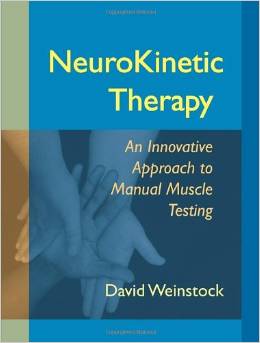 Developed by David Weinstock, NKT is a method of assessing function and dysfunction in movement patterns. It draws together an encyclopedic knowledge of anatomy, some concepts from Applied Kinesiology (without the mumbo jumbo of AK), some of the SFMA examination tools, concepts from Anatomy Trains and an understanding of how the motor control centre in the cerebellum learns from failure.
Movements never involve only one muscle. For a joint to move in one direction, one or more muscles need to contract and others need to relax. Complex movements require multiple muscles to contract (just the right amount), and others to relax, in the correct sequence. When we learn to perform a particular action, whether it is picking out chords on the guitar, pitching a baseball or learning to walk, the brain learns from trial and error. If a particular sequence of muscle movements does not achieve the desired result then one tries again until success is achieved. Repetition burns the movement pattern into the subconscious memory of the motor control centre so that, once mastered, one can achieve the movement without even thinking about it. If an injury occurs or a muscle or group of muscles is over-used or not functioning, one may learn a different sequence, or use alternative muscles to compensate for the dysfunction. This can lead to poor posture, pain and impaired function. It takes more repetitions to unlearn a dysfunctional pattern than to learn a functional one. Generally in medicine, orthopedics, physiotherapy, etc, one is dealing with the hardware of the body - bones, ligaments, joints, tendons, muscles. NKT uses a knowledge of the hardware, but chiefly addresses the software - how neural connections between the brain and muscles produce complex movement patterns which may have become dysfunctional due to habits, posture, old injuries or surgery, and then corrects them. In NKT muscle movements are tested and when one fails a brief learning opportunity is awakened in the motor control centre for new learning to take place. Muscles which are over-active ("facilitated") can be released by whichever method is within the practitioner's scope of practice and exercises can be given as homework to produce improved function. It has been an amazing and challenging adventure to learn these new concepts alongside physiotherapists, chiropractors, massage therapists, Pilates instructors and kinesiologists and observe how each profession can bring their skills to bear on the same problems. Here is some information about David Weinstock's book. The book is most useful as an adjunct to the training seminars and is not as useful if one has not taken the training. "NeuroKinetic Therapy® corrective movement system is based on the premise that when an injury has occurred, certain muscles shut down or become inhibited, forcing other muscles to become overworked. By applying light pressure that the client then resists, the practitioner can evaluate the strength or weakness of each muscle, revealing the sources of injury and retraining the client’s body to remove the compensation patterns. This easy-to-follow practitioner’s manual presents a series of muscle tests specially designed to uncover and resolve compensation patterns in the body. Author David Weinstock begins by explaining how this approach stimulates the body and mind to resolve pain. Organized anatomically, each section of the book includes clear photographs demonstrating correct positioning of the muscle accompanied by concise explanations and instructions. Labeled anatomical illustrations appear at the end of each section showing the relationships between the muscles and muscle groups. This essential resource is especially useful for physical therapists, chiropractors, orthopedists, and massage therapists looking for new ways to treat underlying causes of pain. The book is intended for those practitioners who are serious about affecting change in their clients." When you learn NKT you join an incredibly-supportive and diverse community of therapists. I must admit that NKT is quite different in concept from what we as physicians learned at medical school. We have only recently began our own journey toward incorporating this modality into our MSK practice. It is quite humbling to be at the bottom of a very steep learning curve and to witness practitioners with a very different training background master these techniques and solve problems which very accomplished specialists or other physicians were unable to do. But it is a privilege to learn from and along side them and to share this experience. William of Occam (or Ockham) was a 14th century Franciscan friar and philosopher who is known for the principle of choosing amongst competing options the simplest explanation that best fits the observable facts. In medicine, for example, if someone presents with 15 different symptoms the physician is taught not to assume that 15 different exotic diseases have struck the hapless patient simultaneously each causing one symptom, but rather, to look for the one diagnosis which best explains as many of them as possible. Occasionally however, a person may have more than one problem.
A friend once asked me if I could fix her shoulder and neck which had been hurting her for several weeks, so much so that she could not turn her neck and the pain was interfering with her work. She had some trigger points in her neck and shoulder muscles which were released with the Pain Neutralization Technique and a few moments later full painless function was restored. On further questioning, however, she mentioned that she had morning stiffness and could not bend her fingers. This indicated the presence of inflammatory arthritis and she was encouraged to have some tests done which confirmed the diagnosis and she received from her family physician the appropriate treatment. She had two diagnoses, one simple and easily treated by manual medicine, the other more complicated and requiring a pharmaceutical approach. We often see patients who have been told they have X or Y wrong with them based on X-ray findings but when we examine them find that the actual problem is something simpler, such as a myofascial trigger point or a referred pain pattern, that can be treated with a manual technique or by trigger point injections, perineural injections of prolotherapy. Sometimes the pain is the result of a dysfunctional movement pattern which needs to be unlearned and replaced using NKT. The Selective Functional Movement Assessment (SFMA) is a set of simple movements used to evaluate dysfunctional movement patterns. If a movement is noted to be abnormal, then there are further tests ("breakouts") which can be done to further assess each part of the movement pattern. We use the "top tier" (initial set of movements) as part of our evaluation of musculoskeletal pain. Don't be surprised if we ask you to turn your neck when you have back pain or stand on one leg to assess your neck dysfunction. It's all part of the way your muscles and neurological system function. It starts with neck movements, and continues with shoulders, back, standing on one leg and ends with a squat. It is helpful when using Neurokinetic Therapy (NKT) to start with the SFMA.
 You've probably heard about the boy who wrote" The Equator is a menagerie lion running around the Earth". You've probably heard about the boy who wrote" The Equator is a menagerie lion running around the Earth". Well, I have crossed the Equator several times and not seen a lion, or a line, for that matter. But that is not to say it does not exist. Lines of latitude and longitude are not visible on the Earth's surface either, but they are useful when navigating. Meridians are notional lines connecting acupuncture points on the body. Critics of acupuncture sometimes claim that meridians do not exist because they cannot be demonstrated when dissecting a cadaver the way nerves and blood vessels can be. They are functional, not structural. Acupuncture points can be identified by differences in electrical resistance of the skin compared to surrounding areas. Trigger points cannot be be demonstrated in a cadaver either, as they disappear on death.
Possessing a curious mind and a strong desire to make sense of the differences between Eastern and Western medicine, I appreciated the work of various Western-trained physicians who have demonstrated that many acupuncture points correlate well with known anatomical structures such as motor end-points (where nerves stimulate muscles), sites were nerves pierce fascia - where the nerves can be constricted by shearing forces, or where they exit through openings in bones. About 75% of the most common trigger points are also acupuncture points. The classical tender points required for a diagnosis of fibromyalgia are also acupuncture points. Fascia is the thick white firm connective tissue which separates muscles, surrounds the brain and nerves, envelopes the organs and delineates the different compartments in the body. Recently I re-read (it was that good!) a fascinating book: The Spark in the Machine - How the Science of Acupuncture Explains the Mysteries of Western Medicine by Dr Daniel Keown. Dr Keown is an emergency room physician and acupuncturist in the UK who relates a number of successful case reports of acupuncture treatment in the ER. But the most interesting aspect of the book is how he shows how acupuncture meridians correlate with the embryological development of different anatomical structures in the body, particularly fascial lines. East meets West in embryology. When bringing up Eastern medical concepts among medical colleagues one sometimes feels as though one is entering tiger country. Perhaps some latitude could be given to different ways of approaching the same human condition.  We so often think of pain as a problem, that we forget that it has a useful purpose, at least in acute situations. Pain is nature's warning signal that something is amiss. People who lose the ability to feel pain (as is the case with peripheral neuropathy in diabetes) can injure themselves without realizing it. These injuries can become infected, fester and lead to loss of limb. In his book Pain- the Gift Nobody Wants, the late Dr Paul Brand wrote of his experience in treating leprosy in India many years ago. He discovered that the serious deformities and loss of digits and limbs that leprosy sufferers experience are due to loss of sensation, leading to burns and other injuries going unnoticed. A few years ago our family was renting a quaint cottage in the Yorkshire Dales. It was a picturesque spot and we enjoyed it immensely. One drawback, however, was that the cottage's fire alarm was situated over the kitchen stove. It rang every time we did any cooking. Exasperated, I eventually unplugged its batteries. When we left, I forgot to plug them back in and it has been on my conscience ever since then, as I have wondered whether there has ever been a fire. Unlike acute pain which warns us of injury, chronic pain is pain which has outlived its usefulness, continuing to send its signals long after the injury which caused it has passed. Acute pain usually (though not always) has an identifiable physical cause. Pain does not always mean damage or harm. Chronic pain becomes a problem in its own right. Sometimes it is due to ongoing "peripheral sensitization" in the skin or soft tissues. Other times it is due to "central sensitization" in the brain, or both. This is why there are so many different possible approaches to chronic pain.
|
AuthorDavid is a fan of books and no doubt will be sharing some good reads here. Archives
February 2024
Categories
All
|
 RSS Feed